Direct answer: distributors need a factory system, not only a product list
A distributor searching for a massage device factory is usually trying to reduce launch risk: the products must be sellable, samples must match bulk goods, documents must be model-specific, lead time must be realistic and after-sales handling must be traceable.
HUANTIVE is a massage device factory with about 20 years of category experience, supporting stock wholesale, OEM branding and private-label programs. The practical buyer path is to shortlist a product category first, then confirm MOQ tier, sample route, packaging, documents and repeat-order support.
Compare factory programs by buyer situation
| Buyer situation | Factory route | What to confirm |
|---|---|---|
| Testing a new product category | Stock model sample and 100 pcs tier | Current availability, sample cost, carton data and basic documents |
| Building a private-label listing | OEM branding around an existing model | Logo, manual, packaging artwork, barcode and claim wording |
| Supplying multiple retail accounts | 200 / 500 pcs distributor planning | Lead time, carton consistency, spare parts and repeat-order schedule |
| Creating a differentiated product | ODM discussion after proof of demand | Development scope, tooling, validation, documents and timeline |
Use hot selling products as a faster shortlist
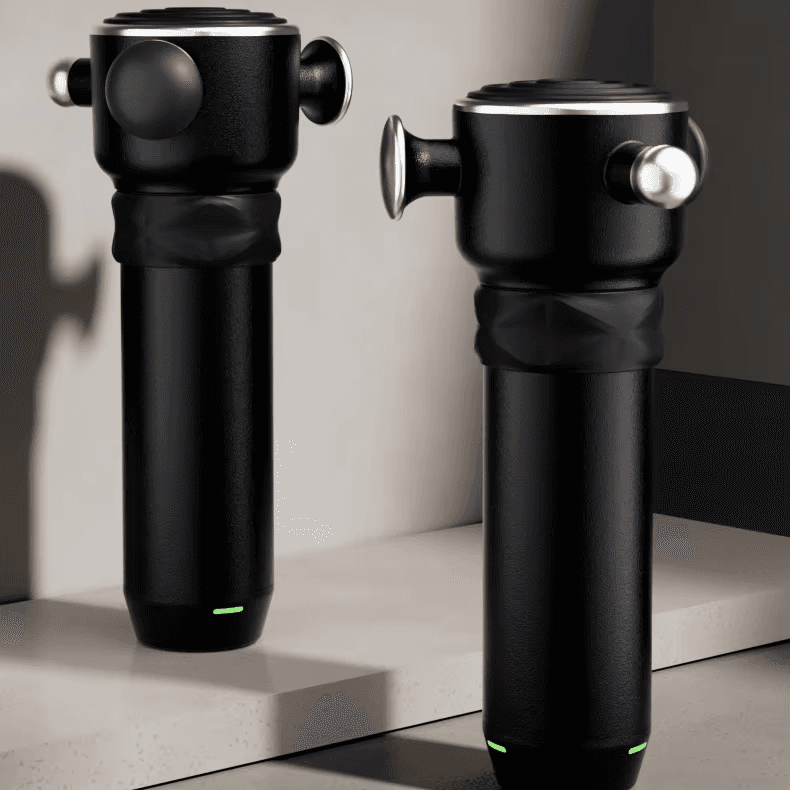
Hot selling products are useful because they already have product photos, model-level specifications and a clearer quotation path than concept-only items. For HUANTIVE, this includes massage guns, eye massager, air pressure massager, full-back cushion and neck/shoulder massager platforms.
The buyer still needs to confirm what is actually available now: color, packaging, carton data, current stock, MOQ tier and applicable documentation. Factory-stock wording should never become a promise of unlimited inventory.
Quality and after-sales questions distributors should ask
- How is the approved sample locked before production?
- Which function tests are performed for this model?
- What carton data and label information are confirmed?
- Which documents apply to the exact model and market?
- How are defects reported and handled after delivery?
- What changes between the 100, 200 and 500 pcs tiers?
Why this content helps real inquiries
A generic factory article attracts broad traffic. A useful distributor article gives the buyer a ready RFQ: model, quantity tier, market, customization scope, document needs and after-sales expectations. That is the difference between a low-quality form fill and a real B2B inquiry.
For search engines, the page also follows people-first content logic: it answers a specific sourcing problem, uses model-level evidence, avoids unsupported ranking claims and gives the reader a clear next action.
Frequently asked questions
What should distributors ask a massage device factory first?
Ask for stock model options, MOQ tiers, sample route, carton data, model-specific documents, lead time, QC process and after-sales handling.
Are 100 / 200 / 500 pcs tiers suitable for every customization?
No. They are quotation tiers subject to model, availability and customization scope. Deep ODM changes may need separate evaluation.
Why should buyers avoid generic supplier claims?
Generic claims do not prove product fit, sample consistency, compliance scope, packaging readiness or after-sales support.
Can a distributor start from hot selling models?
Yes. Hot selling models can shorten shortlisting, but stock status, packaging and documents must still be confirmed by quotation.
Sources
- Google Search Central — Creating helpful, reliable, people-first content — Accessed 2026-11-17
- Google Search Central — SEO Starter Guide — Accessed 2026-11-17
- Global Sources — Best Massage Equipment to Source and Sell in 2026 — Accessed 2026-11-17
This article is general information, not medical advice. A therapeutic massager is intended to relieve minor muscle aches and pains; it does not diagnose, treat, cure or prevent any disease. Consult a qualified healthcare professional about your individual circumstances.