The short answer
An EMS facial massager applies low-level electrical current to facial tissue, usually alongside vibration. It sells on the promise of lifting and toning, and that promise is where most brands get into trouble.
Two things decide whether this product is safe to launch: an accurate contraindication set that appears everywhere, and a claim boundary you can actually defend. Neither is expensive to get right, and both are routinely skipped.
The contraindication set is universal — treat it as mandatory
Guidance across the professional and at-home device sector converges on the same restrictions for microcurrent and EMS devices: avoid use with a pacemaker, during pregnancy, and where there is active skin infection or an open wound. Industry commentary describes the pacemaker contraindication as universal.
These must appear in the manual, on the packaging, and in the product listing — not buried in a PDF. Marketplace compliance reviews check for them, and a missing pacemaker warning on an electrical stimulation device is the kind of gap that stops a listing.
- Implanted pacemaker or any implanted electronic or metallic device
- Pregnancy
- Active skin infection, open wound, or recent facial surgery or injectables
- Epilepsy or a history of seizures, without clinical advice
- Known or suspected malignancy at the application site
- Never apply across the eyes or the front of the throat
Why the claim boundary is tighter than it looks
Regulatory status depends on intended use, not on the hardware. A device presented for general wellness and appearance sits in a different position from one presented as treating a condition, and the marketing copy is what decides which applies.
Independent commentary in the at-home device sector also notes that regulatory clearance claims are frequently overstated — a clearance means a regulator reviewed specific documentation for a specific device and claim set, not that a whole product category is approved. Copying a competitor's clearance language onto your own product is a direct liability.
- Supportable: temporary improvement in the appearance of skin, a toned or refreshed feeling, relaxation
- Not supportable: lifting muscle, reversing ageing, replacing clinical treatment, treating any diagnosed condition
- Never: borrowing another brand's regulatory clearance wording for your device
Electrical specification questions that matter
The dry-skin question is the one that separates a considered design from a careless one. Devices intended for use with conductive gel can behave unpredictably without it, and end users will use them without it.
- What is the output waveform, frequency range and maximum current at the electrodes?
- Is there a hard ceiling in firmware preventing output above the rated maximum?
- What is the electrode material, and has skin-contact biocompatibility been tested?
- How does the device behave on dry skin with no conductive gel — does output rise or cut out?
- Is there automatic shut-off on loss of skin contact?
- What is the measured output tolerance across a production batch?
Material safety is tested too
Chemical testing of the plastics in body-contact devices is now part of mainstream consumer testing. In its 2024 massage gun assessment Stiftung Warentest found naphthalene above the German GS limit in device plastics, and the Swiss federal environment office describes the substance as having suspected carcinogenic action.
A facial device sits against skin for every use. Ask for per-component PAH and phthalate reports from a recognised laboratory, naming the exact component, not a generic certificate for the finished unit.
EU market access before you commit to production
Regulation (EU) 2023/988 has applied since 13 December 2024, replacing Directive 2001/95/EC. It requires a documented risk analysis, technical documentation retained for ten years, traceability marking, and an EU-established responsible person — mandatory for online sales.
For a device applying current to the face, the risk analysis is not a formality. It is the document that justifies your contraindication list and your output ceiling, and it is what a regulator will ask to see first.
What we confirm per build
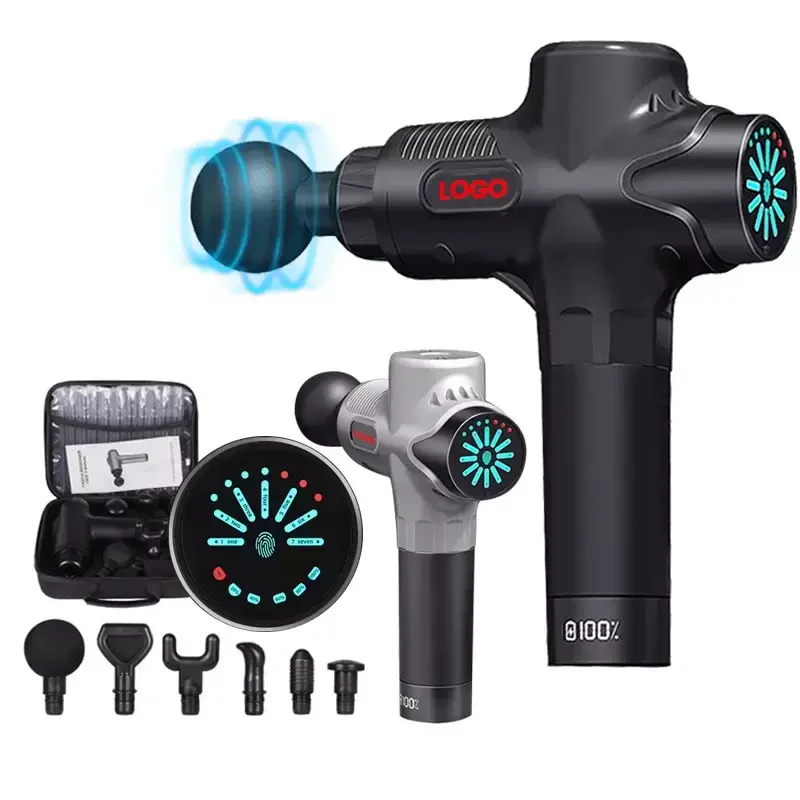
Our EMS facial platform is a handheld format with EMS and vibration functions. Performance substantiation is confirmed before order rather than asserted in marketing copy, because the claim set you need determines what evidence has to exist.
If you intend to make a specific appearance claim, tell us at enquiry stage. Substantiation has to be designed into the programme, not retrofitted after the listing is written.
Frequently asked questions
Can an EMS facial device lift sagging skin?
Claims of lifting or tightening muscle go beyond what a general wellness device can support. Temporary improvement in appearance and a toned feeling are defensible; structural change is not.
Who must not use an EMS facial massager?
Anyone with an implanted pacemaker or other implanted electronic device, during pregnancy, or with active skin infection, open wounds or recent facial procedures. Epilepsy requires clinical advice. The device should never be applied across the eyes or the front of the throat.
Does FDA clearance apply to our private-label version?
Not automatically. A clearance covers a specific device, documentation and claim set. Reusing another brand's clearance language for your product is a compliance and legal risk, not a shortcut.
Is conductive gel required?
Most EMS facial devices are designed for use with gel, and behaviour without it is a real safety question. Ask specifically how output behaves on dry skin and whether contact loss triggers shut-off.
What material testing should we request?
Per-component PAH and phthalate reports from a recognised laboratory for every part that touches skin, plus biocompatibility data for the electrode material. A single certificate for the finished product is not equivalent.
Sources
- Comparing Microcurrent Device Wands — contraindication guidance — 1 Jan 2026
- Stiftung Warentest — Massagepistolen im Test (naphthalene finding) — 24 Jun 2024
- Regulation (EU) 2023/988 on general product safety — applies since 13 Dec 2024
This article is general information, not medical advice. A therapeutic massager is intended to relieve minor muscle aches and pains; it does not diagnose, treat, cure or prevent any disease. Consult a qualified healthcare professional about your individual circumstances.